West Vancouver Home Renovation Planning: Kennedy Construction’s Guide
Planning a home renovation in West Vancouver requires a fundamentally different level of preparation than renovating in flatter or less climate-exposed areas. The municipality’s steep terrain, marine environment, established neighbourhoods, and high architectural standards all influence how renovation should be approached. Homes in Dundarave, Ambleside, Caulfeild, and British Properties often sit on complex sites and were constructed decades ago under building standards that differ significantly from today’s expectations.
For homeowners researching West Vancouver home renovation projects, the key principle is this: renovation must begin with structural and performance clarity, not with finishes. A well-planned renovation improves durability, comfort, and long-term value. A poorly planned renovation can create hidden liabilities beneath new surfaces.
Below is a comprehensive, site-specific framework for planning a renovation in West Vancouver that aligns structural integrity, building performance, and design ambition.
Step 1: Start With a Comprehensive Structural Assessment
Before considering layout changes or aesthetic upgrades, confirm the structural viability of the existing home. Many older properties in West Vancouver were built before modern seismic reinforcement standards and before hillside construction practices became more sophisticated.
A structural review should examine:
- Foundation type and condition
- Retaining walls and slope stabilization
- Framing integrity and load-bearing wall locations
- Roof structure and span capacity
In hillside areas such as British Properties, foundation stability is particularly important. Retrofitting a compromised foundation after interior finishes are complete is significantly more disruptive and expensive than addressing it at the outset.
If the renovation includes removing walls, enlarging window openings, or adding floor area, engineering review is essential. Load redistribution, beam installation, or localized reinforcement may be required. Structural clarity protects both safety and budget predictability.

If you are planning a renovation in West Vancouver, connect with Kennedy Construction to review your home’s structure, envelope performance, and site conditions before moving forward.
Step 2: Evaluate the Building Envelope for Coastal Performance
West Vancouver’s climate is defined by heavy rainfall and marine exposure. Moisture management must be central to renovation planning. Many older homes lack modern rain screen assemblies and continuous air barrier systems.
Envelope evaluation should include:
- Condition of exterior cladding
- Window and door performance
- Flashing integration at penetrations
- Insulation levels and vapour control
If exterior cladding is being replaced or windows upgraded, this is the appropriate moment to enhance insulation, air sealing, and drainage detailing. Envelope improvements may not be visually dramatic, but they significantly influence longevity.
Renovating interior spaces without addressing exterior moisture control can leave structural vulnerabilities unresolved. In West Vancouver, envelope performance is not a secondary consideration. It is fundamental.
Step 3: Define Scope Before Establishing Budget
Scope ambiguity is one of the most common causes of renovation cost escalation. Homeowners may initially plan cosmetic updates, only to discover mechanical deficiencies or structural issues once demolition begins.
Before confirming budget, determine whether the renovation includes:
- Structural reconfiguration
- Full mechanical system replacement
- Electrical and plumbing modernization
- Exterior envelope upgrades
Transparent scope alignment prevents mid-project surprises. In West Vancouver, where property values are substantial, renovation should be approached as a comprehensive performance upgrade rather than a partial refresh.
A realistic renovation budget must also account for site logistics, hillside complexity, and contingency for hidden conditions.
Step 4: Reconfigure Layout With Engineering Awareness
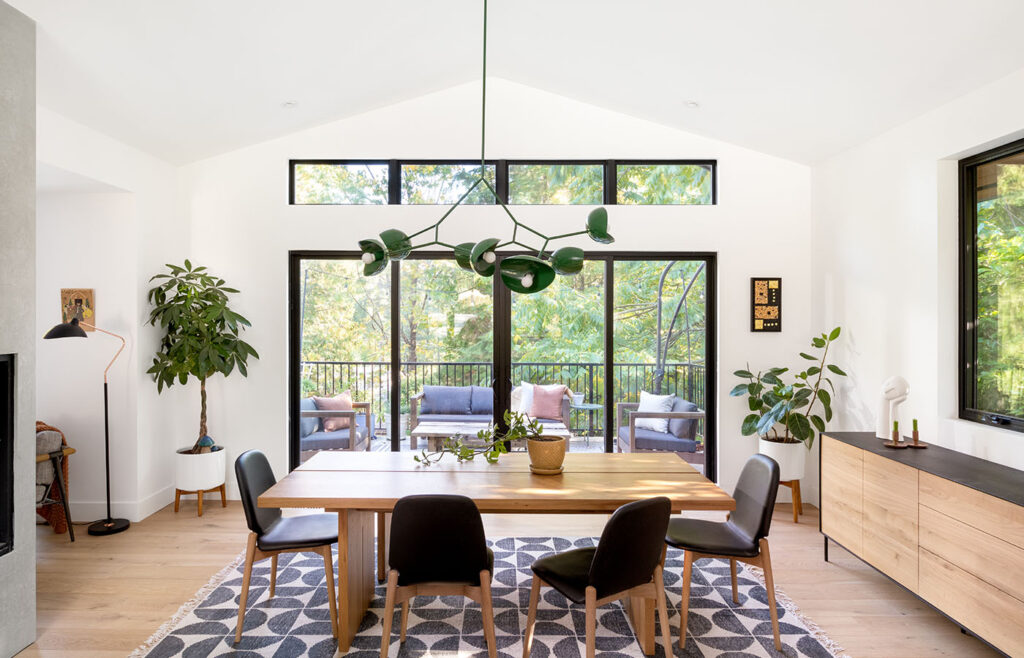
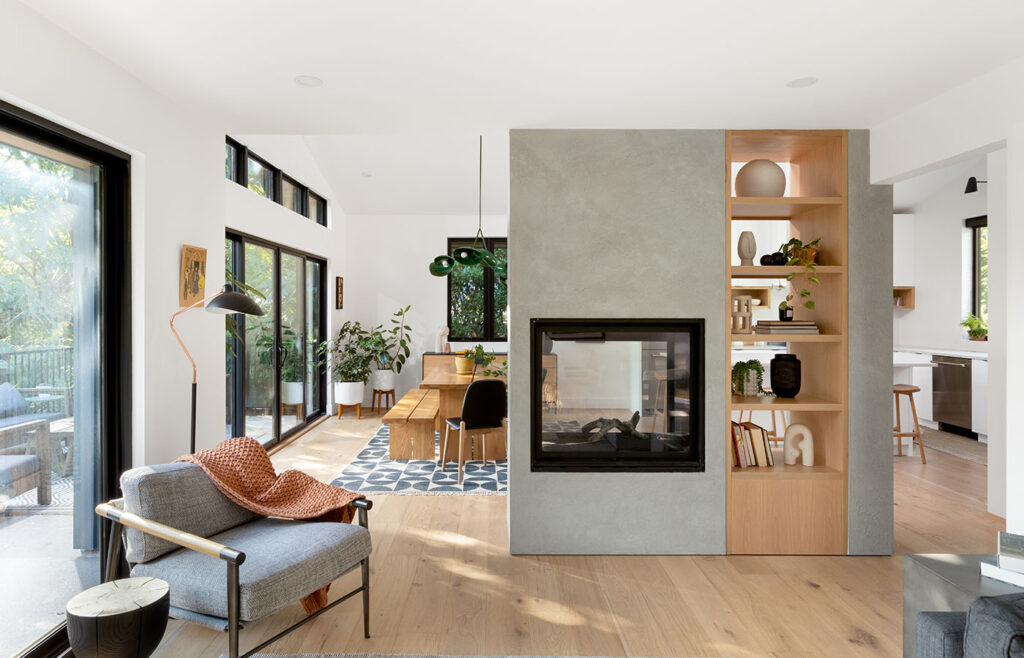
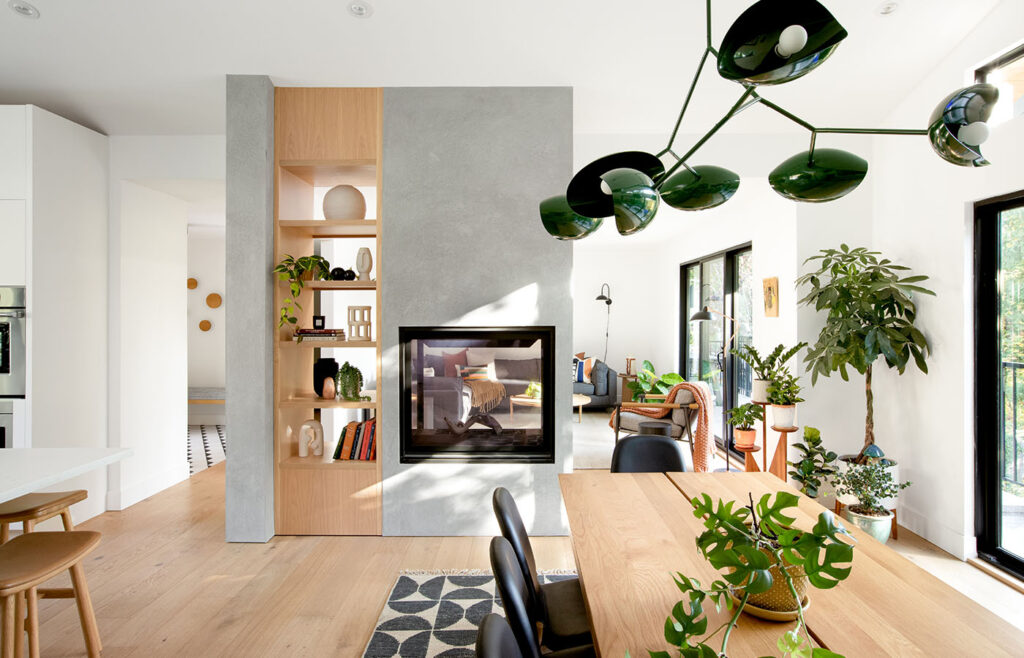
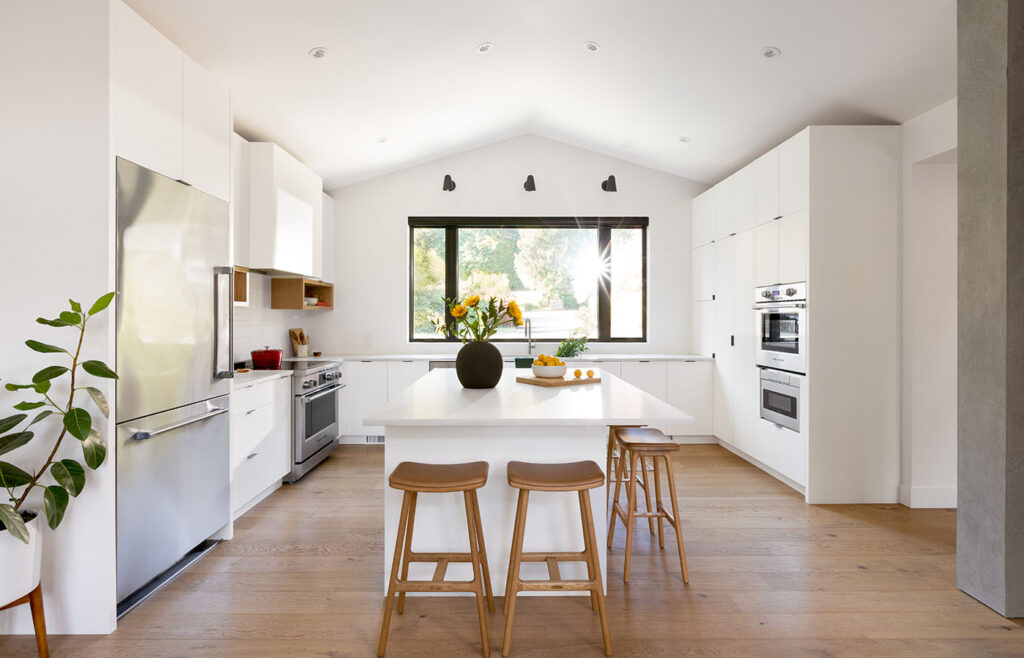
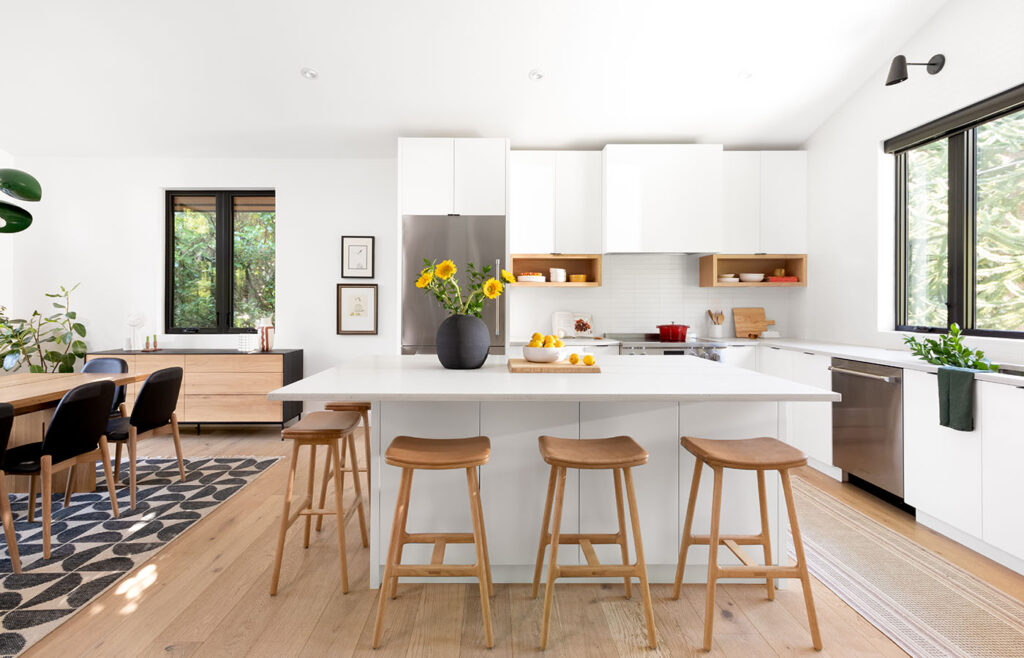
Many older homes in West Vancouver feature compartmentalized floor plans and limited natural light penetration. Contemporary renovation frequently prioritizes open living areas and stronger indoor-outdoor connections.
Before removing walls, confirm:
- Load-bearing locations
- Ceiling height limitations
- Mechanical routing pathways
Large-span openings may require engineered beams or steel integration. Expanding window walls to enhance ocean or mountain views affects both structural loads and envelope detailing.
Layout transformation should be guided by structural feasibility and building science principles. Design ambition must align with engineering reality.
Step 5: Upgrade Mechanical Systems Strategically
Mechanical modernization is often overlooked until late in renovation planning. Older homes frequently rely on outdated heating systems and limited ventilation, resulting in uneven comfort and inefficient energy use.
During renovation, consider integrating:
- High-efficiency heating and cooling systems
- Heat recovery ventilation for balanced airflow
- Improved insulation where assemblies are accessible
Mechanical upgrades improve comfort during West Vancouver’s extended rainy seasons and support long-term energy efficiency. Addressing these systems while walls and ceilings are open is both practical and cost-efficient.
Step 6: Address Drainage and Site Water Management
Water management extends beyond the building envelope. In hillside properties, drainage patterns around the foundation significantly affect long-term stability.
Renovation planning should review:
- Perimeter drainage systems
- Surface grading and runoff direction
- Deck and terrace waterproofing
Older drainage systems may not meet current expectations. Improving grading and drainage during renovation protects structural integrity and reduces moisture intrusion risk.
Exterior water management is frequently underestimated, yet it is essential in West Vancouver’s climate.
Step 7: Integrate Outdoor Living Thoughtfully
West Coast lifestyle emphasizes indoor-outdoor integration. Renovation projects in West Vancouver often include deck replacement, terrace expansion, or improved sliding door systems.
When expanding outdoor spaces, consider:
- Structural reinforcement for new loads
- Waterproofing and flashing continuity
- Drainage slope and runoff control
Outdoor upgrades must be engineered with the same precision as interior changes. Poorly detailed deck assemblies can compromise the envelope.
Thoughtful integration of outdoor living enhances both usability and property value.
Step 8: Respect Architectural Identity
West Vancouver contains a diverse architectural character. Mid-century homes, West Coast contemporary designs, and traditional estates each carry distinct proportions and detailing.
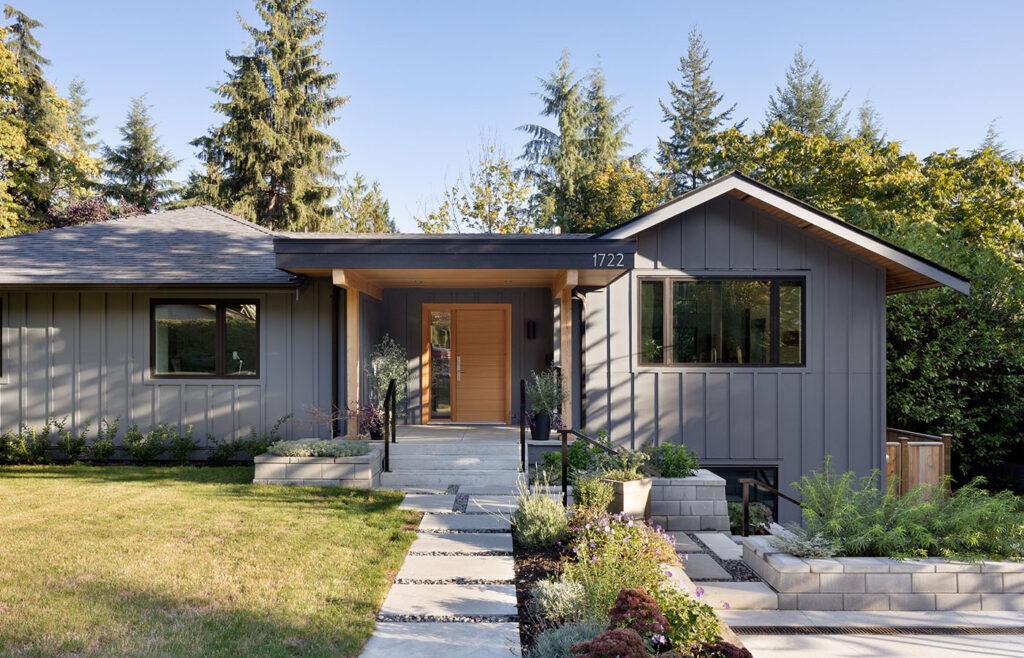
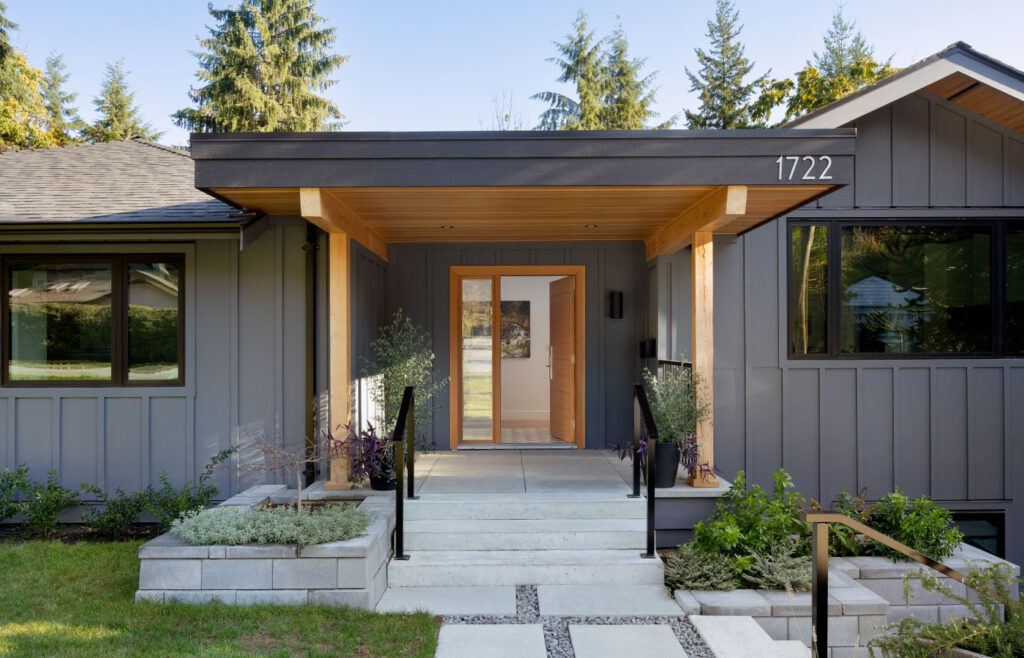
Renovation should strengthen defining features rather than impose unrelated styles. For example, mid-century homes often emphasize horizontal lines and expansive glazing. Updating materials while maintaining proportion preserves integrity.
Architectural coherence contributes to long-term value and neighbourhood alignment.
Step 9: Evaluate Zoning and Future Expansion Potential
Before committing to renovation, confirm how zoning regulations influence long-term flexibility. In some cases, heavy renovation of an undersized home limits future expansion potential.
Assess:
- Permitted floor area ratio
- Height and setback restrictions
- Potential for secondary suites or additional living space
If the existing structure prevents optimal use of the lot, rebuilding may warrant consideration. Renovation is most effective when the structural footprint aligns with long-term objectives.
Step 10: Understand Timeline and Phasing Realities
Renovation sequencing differs from new construction. Working within an existing structure introduces coordination complexity.
Timeline considerations include:
- Selective demolition stages
- Structural reinforcement sequencing
- Weather exposure during envelope upgrades
Extended rainfall periods on the North Shore may affect exterior phases. Protecting exposed framing during renovation is essential to prevent moisture damage.
Clear scheduling and communication reduce disruption and maintain quality control.
Step 11: Plan for Contingency and Discovery
Even with thorough assessment, hidden conditions may appear during demolition. Older wiring, plumbing irregularities, and localized framing issues are common in decades-old homes.
Allocate contingency funds and prepare for:
- Minor structural corrections
- Mechanical rerouting
- Limited scope adjustments
Transparent communication during construction supports informed decision-making. Renovation should be approached as a disciplined investigative process.
Step 12: Align Renovation With Long-Term Performance Goals
The most successful West Vancouver home renovation projects focus on performance and durability first. Cosmetic improvements should follow structural and envelope upgrades.
Prioritize:
- Structural reinforcement where necessary
- Moisture control and insulation performance
- Energy-efficient mechanical systems
When renovation aligns with long-term performance goals, the result is a home that functions reliably within its environment for decades.
Before finalizing layout or finish decisions, speak with our team to clarify scope, budget alignment, and long-term performance priorities for your renovation.
Final Considerations Before Starting Your West Vancouver Renovation
Planning a home renovation in West Vancouver demands technical evaluation, disciplined budgeting, and climate-aware design decisions. Structural stability, envelope performance, site drainage, mechanical modernization, and architectural coherence must be integrated from the outset.
Before proceeding, ensure that you have:
- A detailed structural and envelope assessment
- A clearly defined scope of work
- A realistic budget with contingency allocation
- A timeline aligned with site and weather conditions
West Vancouver’s terrain and marine exposure require thoughtful preparation. A renovation executed with structural clarity and performance focus does more than refresh appearance. It strengthens the home, enhances comfort, and protects long-term property value.
When renovation planning addresses the realities of slope, climate, and building science, the investment delivers measurable durability and meaningful improvement.